Business Resources:
Bird Abatement
We are fortunate to live in a seaport community with birds, lots of birds.
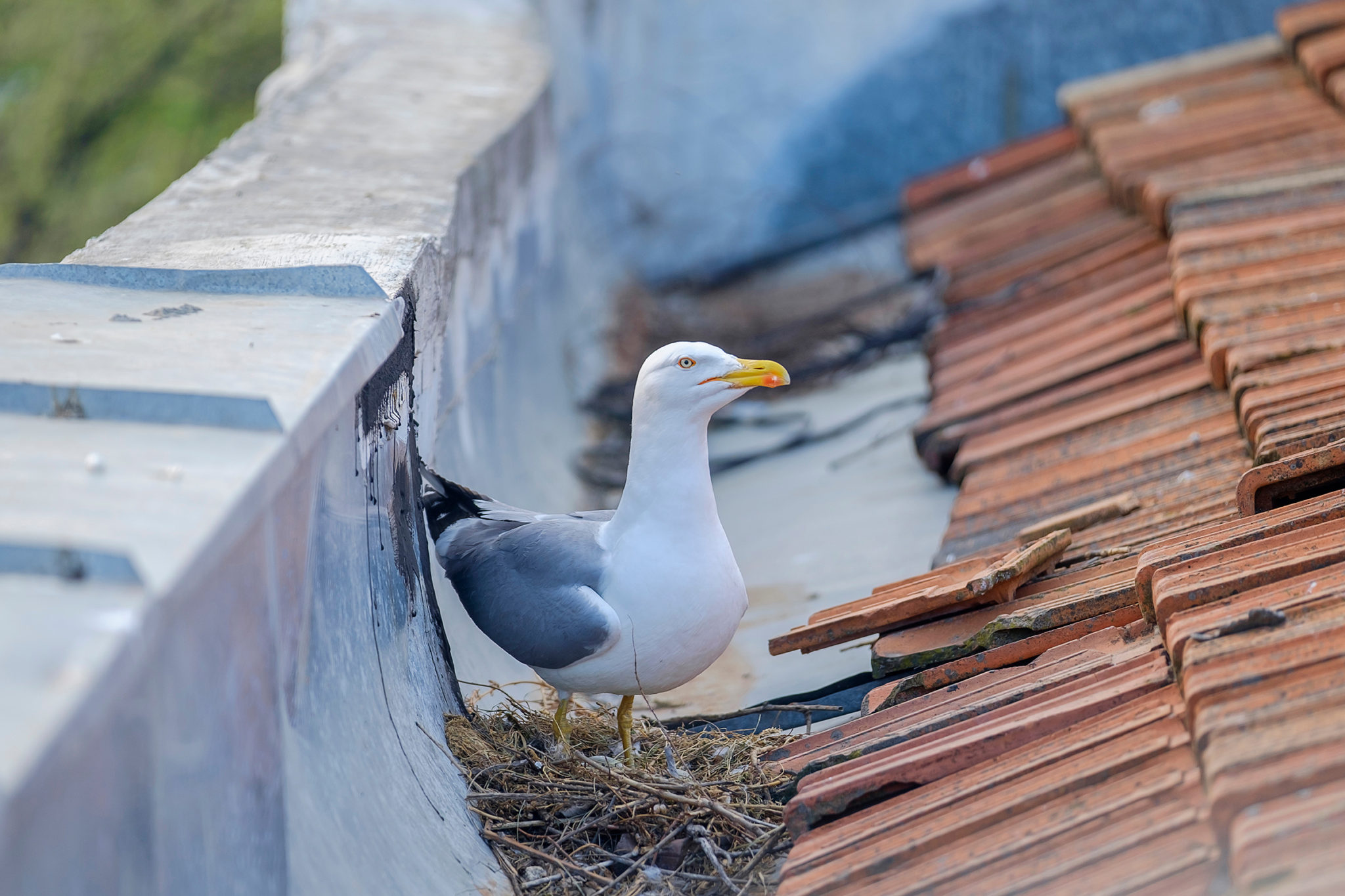
Port Townsend is a Victorian Seaport and gulls enjoy protection at the federal, state and local levels. Living with birds also means lots of clean up.
There are some things we can do now to help control some of the negative impact of birds in town. The control of gull nesting is necessary to reduce gull damage to other shorebirds, or to protect property, health and safety. Depending on the species, gulls begin building nests in EARLY Spring, and the bulk of egg-laying occurs in May.
The KEY to a successful bird abatement program, according to the US Dept. of Agriculture (USDA), is 100% participation by property owners. If all the downtown building owners take steps to provide barriers to birds on their rooftops, the situation would be noticeably improved for our residents and visitors this season. Thank you for considering how you could be part of the solution.
Where to find bird abatement supplies:
How We Assist
Port Townsend Main Street coordinates with the USDA Wildlife Resources to support humane practices to control the seagull population in Port Townsend.
Main Street coordinates a downtown bird abatement program with the cooperation of property owners and the USDA Wildlife Service. Main Street pays for half of the cost while the building owner benefits from the reduced rate. This program was effective and we plan on working with the agents again if building owners want to collaborate. It takes all the building owners working together to effectively tackle the problem.
If you are interested in participating, please send an email to director@ptmainstreet.org expressing the extent of your interest.
.
Here are some bird abatement tips pulled from multiple sources and “Gulls Damage Prevention and Control Methods,” adapted from USDA information:
1.
Gulls prefer to nest in areas where they can see long distances. Now is the time to start cleaning building rooftops and deterring birds from building new nests and laying eggs. It is illegal to remove nests.
2.
Fix holes, crevices in building facades/overhangs that attract birds
3.
Installation of a grid system over the nest site will deter gulls from landing on the area, and will reduce the need to continually remove or treat eggs.
4.
Installation of bird spikes along building ledges. Prioritize areas you want to protect, such as sidewalks with pedestrian traffic.
5.
Water Management. Gulls are attracted to fresh water, especially in coastal areas. Wherever feasible, drain, fill, or cover pools of standing water where gulls are a problem.
6.
Elimination of food and garbage. Gulls are scavenging birds; they will eat everything from dead fish and garbage to field mice and insects. Reduce the amount or availability of food for gulls by prohibiting the feeding of birds by people, by covering or removing food sources and securing garbage containers.